Premium Men’s Suits & Custom Tailoring in Hyderabad
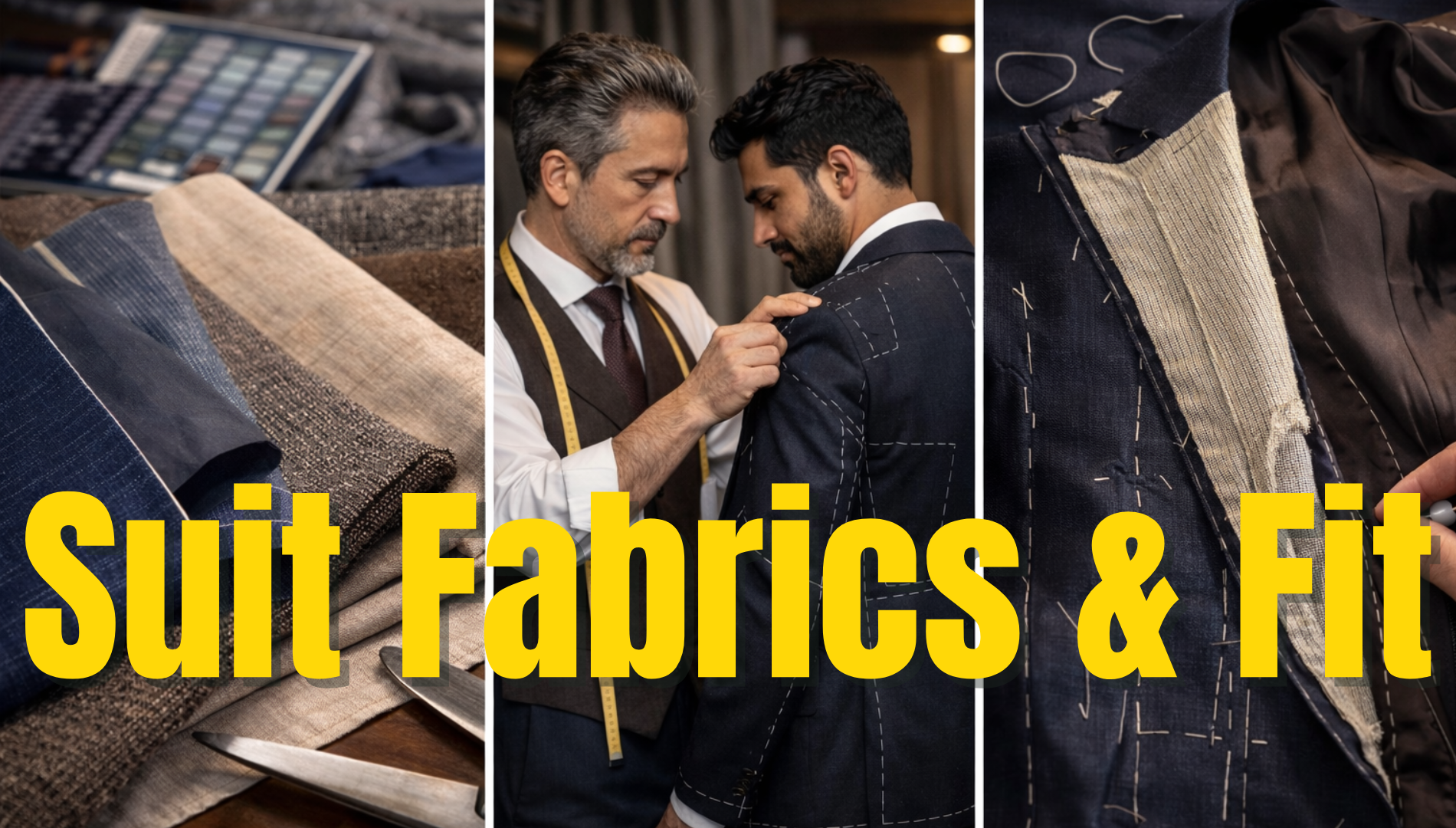
A suit can look impressive on the hanger and still fail the moment you wear it. This disconnect almost always comes down to two critical factors: fabric and fit. The way a suit behaves in your climate, how it responds to long hours of wear, and how it moves with your body will ultimately determine whether it feels refined or restrictive.
At 6e Design, Hyderabad, we see this every day. Clients often believe they need a “better-looking” suit, when in reality they need a better-chosen fabric and a better-executed fit. This guide breaks down suit fabrics, seasonal choices, and fit principles into practical decisions you can apply immediately—whether you are buying your first suit, upgrading your wardrobe, or planning a wedding suit that needs to look flawless in photographs and remain comfortable through long ceremonies.
Why Fabric and Fit Matter More Than Design
Design details come last. Before lapels, buttons, or styling elements, a suit must:
- Sit cleanly on the shoulders
- Move comfortably through the chest and arms
- Maintain shape throughout the day
- Perform well in Hyderabad’s climate
Even the most expensive suit will disappoint if the fabric is wrong for your weather or the fit works against your body.
Suit Fabric Basics: Understanding Your Options
Most men’s suits fall into a few core fabric categories. The right choice depends on climate, frequency of wear, and formality level.
Wool – The Most Versatile Fabric
Best for: Work, interviews, weddings, formal events
Why: Excellent drape, strong shape retention, wide range of weights
Wool remains the gold standard for men’s suits. It adapts well across occasions and, when chosen correctly, performs in both warm and moderate climates.
Key Note:
“Super” numbers refer to fiber fineness. Higher numbers feel softer but may be less durable for daily wear. For most clients, balance is better than extreme fineness.
Wool Blends – Practical and Durable
Best for: Daily wear, travel, long hours
Why: Improved wrinkle resistance, durability, and value
High-quality wool blends can perform exceptionally well, especially for professionals who wear suits frequently. However, blend quality varies significantly.
Important:
Some blends sacrifice breathability. Always prioritize airflow and comfort, especially in Hyderabad’s weather.
Linen – Breathable and Relaxed
Best for: Hot weather, daytime events, destination weddings
Why: Maximum airflow and effortless appearance
Linen is intentionally relaxed. Wrinkling is not a flaw—it is part of the aesthetic.
Use Linen When:
You want a casual, daytime-appropriate suit and are comfortable with visible texture.
Cotton Suits – Casual Tailoring
Best for: Smart-casual offices, daytime functions
Why: Breathable and less formal than wool
Cotton suits lack the natural drape of wool and crease more easily, but they work well for relaxed environments.
Seasonal & Textured Fabrics
- Fresco / open weaves: Ideal for hot climates
- Flannel: Cooler months, softer texture
- Tweed: Cold weather, strong texture (more casual)
Choosing Fabric by Weather (Critical in Hyderabad)
Hot Weather
Look for: Lightweight, breathable weaves
Best choices: Lightweight wool, open-weave wool, linen blends
Avoid: Heavy fabrics and overly structured jackets
Humid Weather
Look for: Airflow + crease recovery
Best choices: Breathable wool weaves, performance wool blends
Tip:
Avoid tight fits in humidity. Comfort through the chest and back is essential.
Monsoon Season
Look for: Durability and easy maintenance
Best choices: Medium-weight wool blends
Practical Advice:
Rotate suits and allow full drying time. Consider spare trousers for heavy-use weeks.
Winter / Cooler Months
Look for: Warmth and texture
Best choices: Heavier wool, flannel
Slightly increased structure works well for winter layering.
Choosing Fabric by Occasion
Office & Work Suits
Best: Matte finish, subtle texture
Colors: Navy, charcoal, mid-grey
Goal: Professional, repeatable wear
Party & Evening Suits
Best: Darker tones with depth
Colors: Midnight navy, deep green, burgundy, black
Goal: Elevated presence under evening lighting
Avoid excessive shine. Texture should come from weave, not gloss.
Wedding Suits
Day Weddings:
- Lighter tones
- Breathable fabrics
- Soft textures
Evening Weddings & Receptions:
- Deeper colors
- Sharper structure
- Tuxedo if black tie
Wedding suits must balance photography, comfort, and long hours of wear.
How a Suit Should Fit: The Non-Negotiables
Fit is not about being tight. Fit is about clean lines, balance, and freedom of movement.
Shoulder Fit (Most Important)
- Shoulder seam sits exactly at your shoulder edge
- No collapsing, divots, or pulling
- Incorrect shoulders compromise all tailoring
Chest Fit
- Jacket buttons comfortably without “X” pulling
- Natural arm movement without resistance
Waist Fit
- Shaped, not squeezed
- Clean front instantly elevates the suit
Sleeve Length
- Small amount of shirt cuff visible
- Sleeve width allows movement while staying sharp
Trouser Fit: Rise and Break Explained
Rise
- Mid-rise: most versatile
- Higher rise: often more comfortable and flattering
Trousers should sit securely without constant adjustment.
Break
- No break: modern and sharp
- Slight break: safest and most timeless
- Full break: classic but must be well balanced
Suit Cuts Explained
Classic Cut
- More room through chest and trousers
- Best for comfort and traditional styling
- Risk: boxy if not shaped properly
Slim Cut
- Narrower chest and waist
- Best for lean builds
- Risk: restricted movement and short jacket proportions
Modern Tapered (Most Recommended)
- Balanced chest comfort
- Clean waist shaping
- Tapered trousers
This cut photographs well, moves comfortably, and avoids trend-dependence—making it ideal for weddings and professional wear.
Construction & Comfort: What You Don’t See Matters
Lining
- Full lining: structured, warmer
- Half or unlined: lighter, more breathable
Canvas & Internal Structure
- More structure: sharper silhouette, longer shape retention
- Less structure: cooler wear, softer drape
Practical Rule:
For long wedding days or warm climates, prioritize breathability. For formal evening “hero” suits, structure adds authority.
Why Fabric + Fit Decisions Should Be Personal
There is no universal “best” fabric or cut. The right suit depends on:
- Your climate
- Your work routine
- Your events and travel
- Your comfort preferences
This is why consultations matter.
Frequently Asked Questions (FAQs)
1. What is the best suit fabric for Hyderabad weather?
Lightweight wool and breathable wool blends perform best year-round. Linen works well for daytime and summer events.
2. Are wool blends better than pure wool?
High-quality blends can be excellent for durability and wrinkle resistance, especially for daily wear.
3. Is linen suitable for weddings?
Yes, particularly for daytime or destination weddings. Expect wrinkles—that is part of linen’s character.
4. How should a suit feel when it fits correctly?
Comfortable, unrestricted, and balanced. You should be able to sit, stand, and move naturally.
5. What is the most versatile suit cut?
Modern tapered. It balances sharpness with comfort and works across occasions.
6. Should suits be tight for a sharp look?
No. Tight suits restrict movement and age poorly. Clean lines matter more than tightness.
7. How many fittings are ideal?
At least two fittings for tailored suits ensure precision and comfort.
8. Does lining really matter?
Yes. Lining affects breathability, comfort, and how the suit feels over long hours.
9. Can one suit work for work and weddings?
Yes. Navy or charcoal suits with minimal texture can be styled across occasions.
10. Is custom tailoring worth it?
Absolutely. Fabric choice and fit execution improve dramatically with custom guidance.
Book a Fabric & Fit Consultation with 6e Design
At 6e Design, Hyderabad, we help you:
- Choose fabric suited to your climate
- Select a cut that flatters your body
- Confirm critical fit details before finalizing
- Build suits that work across occasions